
Historic Medical Ethics
vs.
Modern Bioethics
Historic medical ethics has as its core principle the “sanctity of life.” About 2500 years ago, a Greek physician named Hippocrates codified reverence for life in an oath which prohibited physicians from deliberately killing patients and charged them “to do no harm.” Until recent times, physicians have sworn this oath upon graduation from medical school. Medical ethics, based on the Hippocratic Oath, has always obliged physicians to protect and preserve their patients’ lives and never to kill.
Modern bioethics, which emerged in the 1960’s, has as its core principle the “quality of life.” Bioethics influences all areas of medical care. Most bioethicists today embrace a utilitarian view of human life: a human life burdened by advanced years, serious illness, or special needs is not worth living/a waste of resources. For example, in 1993, Dr. Ezekiel Emanuel, who would later be the chief architect of the Affordable Care Act (a.k.a. Obamacare), wrote, “Increasingly it will be our collective determination as to what lives are worth living that will decide how incompetent patients are treated.” [American Journal of Medicine, 1/1993, Vol. 94, p. 115]

The Physician’s Oath: Historical Perspectives
“As a profession, medicine has dealt with these moral issues. The physician, because of his/her special status, acts for the good of the patient. The nature of the physician’s job requires moral conduct and accountability. Our concepts of ethics have been derived from religions, philosophies, and cultures. The oaths or pledges that we take or swear allegiance to act as guidelines to a moral dilemma.” [...]
“Of note is that, in the modern version of the oath, there is no prohibition against abortion; there is no promise by the physician to ‘do no harm’ or never give a ‘lethal medicine’ as in the original Hippocratic Oath.”1 - Rachel Hajar, M.D.
Some medical institutions no longer require graduates to pledge to an oath at all; others have students pledge to a modified oath that removed key elements to “do no harm.” What moral guidelines are our physicians bound to? To what standard are they held accountable?
1st Principles Argument
The intentional killing of an innocent human person is always and everywhere wrong. Being old, disabled, unhealthy, depressed, unresponsive, poor, etc., are not crimes punishable by death. Neither government nor doctors should have a license to kill their patients and citizens.
Here is a bit of irony for you. Canada abolished its civilian death penalty in 19762 but legalized assisted suicide and euthanasia in 2016.3 An estimated 100,000 people in Canada have been killed by doctors over the last decade.4
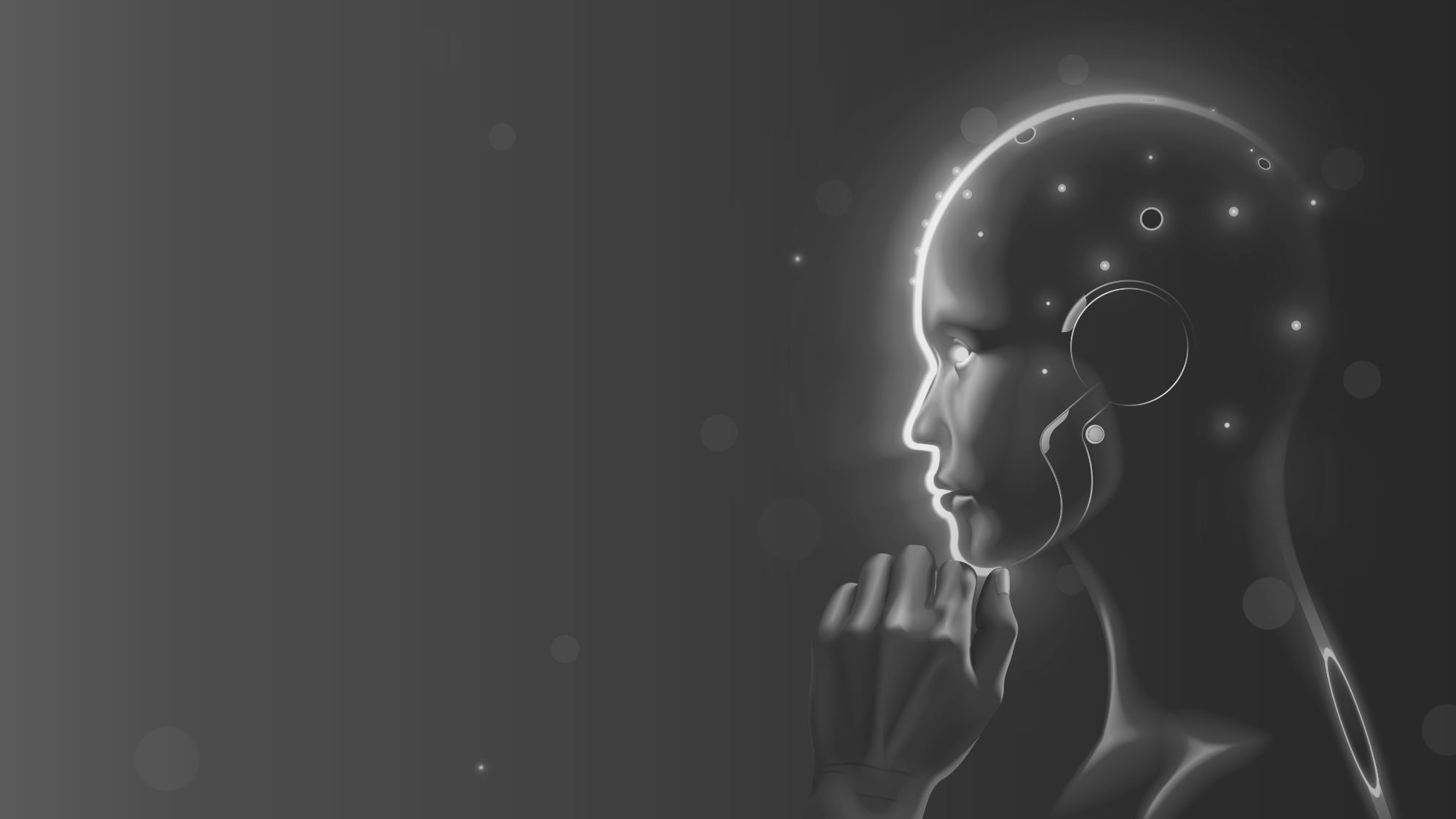
• Language models, like Chat GPT, have been involved in people committing suicide.5
• AI is already used in healthcare; from analyzing patient data to running online chatbots.
• AI technology is being used in lab tests, imaging reviews, and is being researched to perform surgical procedures on patients.
AI has already entered-the-chat on assisted suicide.6
• Philip Nitschke the Australian physician behind the 3D printed Sarco suicide pod is already designing an AI enabled “Double Dutch” Sarco pod. This dual pod allows couples to commit suicide together after filling out a short survey that AI reviews to gauge mental capacity.