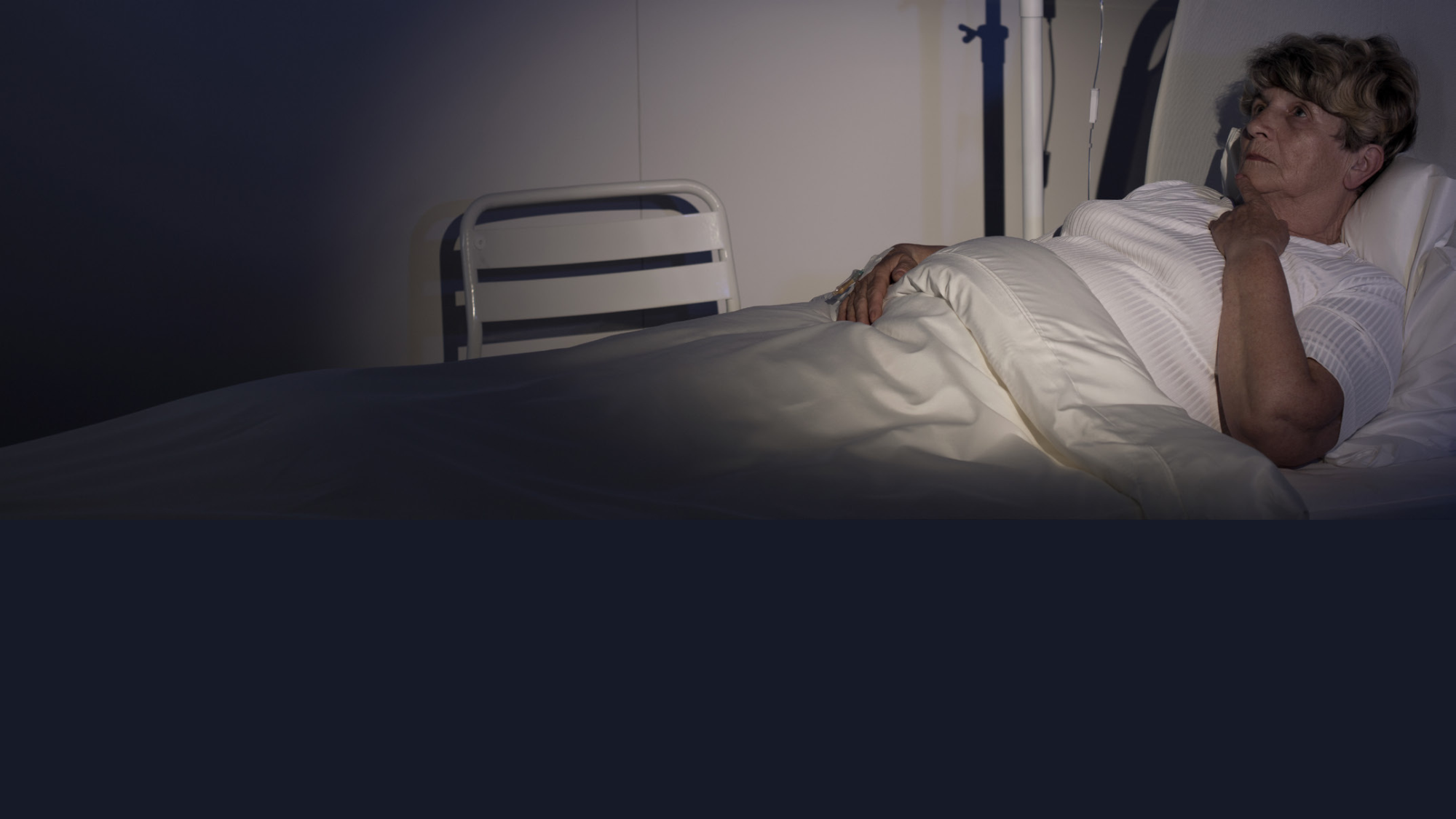
Is It a Good Death?
Imposed Death is not always painless, nor is it always fast, either. Some people have lived for hours or even days after initiating the lethal drugs. The drugs are experimental and unregulated, and for many of them, patients have experienced burning, acute pain, and panic, to name a few adverse reactions. An imposed death is not the “good death” it’s touted to be.
Fear of unbearable pain is one reason many people feel drawn to favor physician assisted suicide and euthanasia. The antidote to this fear is accurate information, not imposed death. So, here is some valuable information on Pain, Unresponsiveness, Hospice, and Nutrition and Hydration.
(See page 15 for info on how some people suffered or took 5 days to die from suicide drugs.)(drugs.)

Nutrition and Hydration
Nutrition and hydration, whether a person is fed with a spoon or through a tube, is basic care, not medical treatment. Insertion or surgical implantation of a feeding tube takes medical expertise, but it is an ordinary life-preserving procedure for a person who has a working digestive system yet is unable to eat by mouth.
Is it right or wrong to withhold or withdraw food and water from patients? It is important to distinguish between appropriate medical decisions and discriminatory decisions based on value judgments.
During the natural dying process, when a person’s organs are shutting down or when a person is unable to receive food and fluids without harm, they are discontinued and the person is kept as comfortable as possible until death occurs naturally. This course of action is both medically and morally appropriate. In these circumstances, the direct cause of death is the disease or injury.
On the other hand, when a person is not dying—or not dying quickly enough to suit someone—food and fluids are often withheld to intentionally hasten death. In order to rationalize depriving a person of such basic, life-sustaining care, the person is first dehumanized, that is, described as having an unacceptably low quality of life and/or as a wasteful use of limited health care resources. In such a case, death is caused by starvation and dehydration, not by the underlying disease or injury. This is simply inhumane.
VSED stands for Voluntarily Stopping Eating and Drinking
The Death With Dignity website lists VSED under “Other Options to Hasten Your Death” and recommends it as a “choice” that is “commonly accepted in the medical community.” VSED is suicide brought about by intentionally dehydrating and starving oneself to death. It is an agonizing, slow way to die.
“The British Medical Association has issued an ethical guidance that requires practitioners to participate in VSED when asked to do so by a patient.”1 (emphasis added)


What About Pain Control?
What you don’t know can hurt you. This is especially true of ignorance about the great strides that have been made in the treatment of pain—both physical and emotional.
THE GOOD NEWS: There is an extensive range of treatment options—medications, various therapies, surgery, psychosocial care, etc.—to relieve pain. With modern pain management, even the most severe cancer pain can be eliminated or significantly relieved.
THE BAD NEWS: Some physicians don’t have the knowledge, time, patience, or empathy to treat pain effectively, even though they may be competent in other fields of medicine.
Patients and their families need to insist that their physicians make every effort to control pain. If your physician cannot or does not do so, find a physician or health care facility that focuses on the diagnosis and management of pain. Relief may be just a phone call away.
For More Information:
Terri Schiavo Life and Hope Network | lifeandhope.com
Healthcare Advocacy and Leadership Organization | halovoice.org
Visit imposeddeath.org for full-length articles, data, statistics, and more.